Engaging Audiences: Proven Strategies for Community Building in Web3
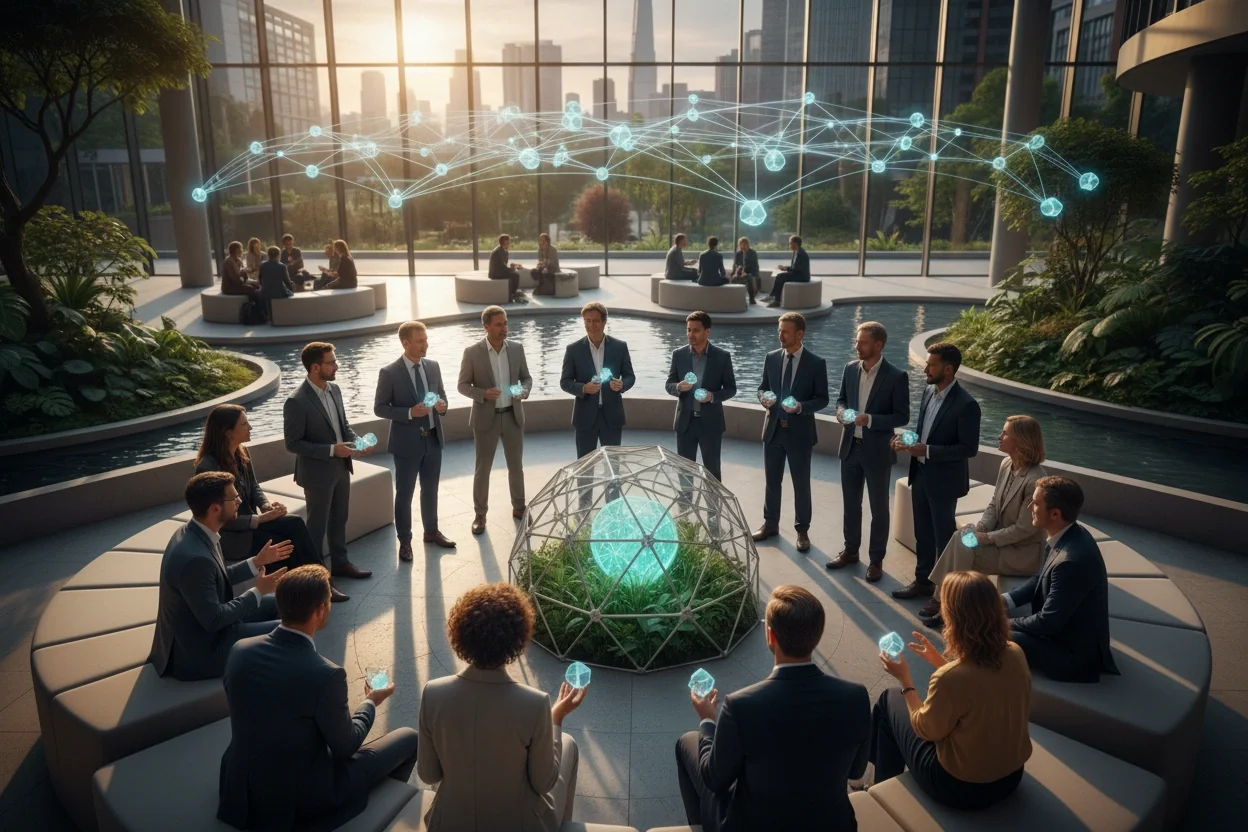
The rise of Web3 has transformed the digital landscape, creating new opportunities for community engagement and collaboration. As we navigate through 2026, the importance of community building in Web3 cannot be overstated. This new paradigm shifts the focus from traditional centralized systems to decentralized networks, fostering a more interactive and inclusive environment for users. This article explores effective strategies for community building in Web3, with particular emphasis on hosting successful events that engage audiences.
Understanding Community Building in Web3
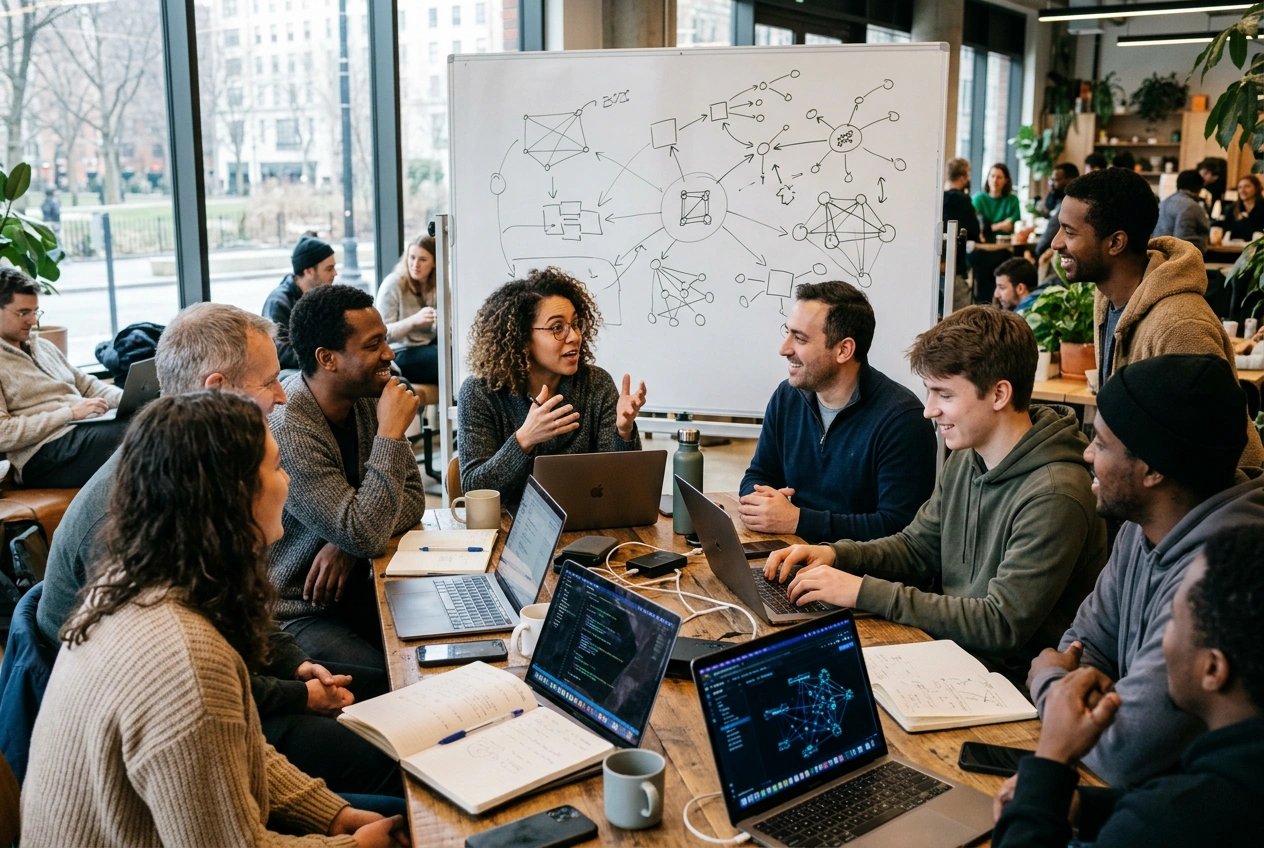
Community building in Web3 is fundamentally different from traditional community engagement. In a decentralized environment, members are not just participants; they are stakeholders who contribute to the ecosystem’s growth. Effective community building involves understanding the unique dynamics of Web3, including the technology that underpins it and the motivations of its users.
The Role of Decentralization
Decentralization is a core principle of Web3. Unlike centralized platforms where a single entity controls the data and user interactions, Web3 empowers users to own their data and participate in governance. This shift creates a sense of ownership and accountability among community members.
- Decentralized Autonomous Organizations (DAOs) are a prime example, allowing members to vote on decisions and allocate resources collectively. This participatory model fosters a strong sense of belonging and encourages active involvement.
- The emphasis on transparency and trust in decentralized networks builds stronger relationships among community members, leading to more sustainable engagement.
Building Trust and Engagement
Trust is the foundation of any successful community. In Web3, trust is built through transparency, accountability, and consistent communication. Engaging with Web3 audiences requires a proactive approach to relationship management.
- Regular updates on project developments and community initiatives can keep members informed and engaged.
- Creating channels for feedback and discussion, such as forums or social media groups, allows members to voice their opinions and feel heard.
Hosting Successful Web3 Events
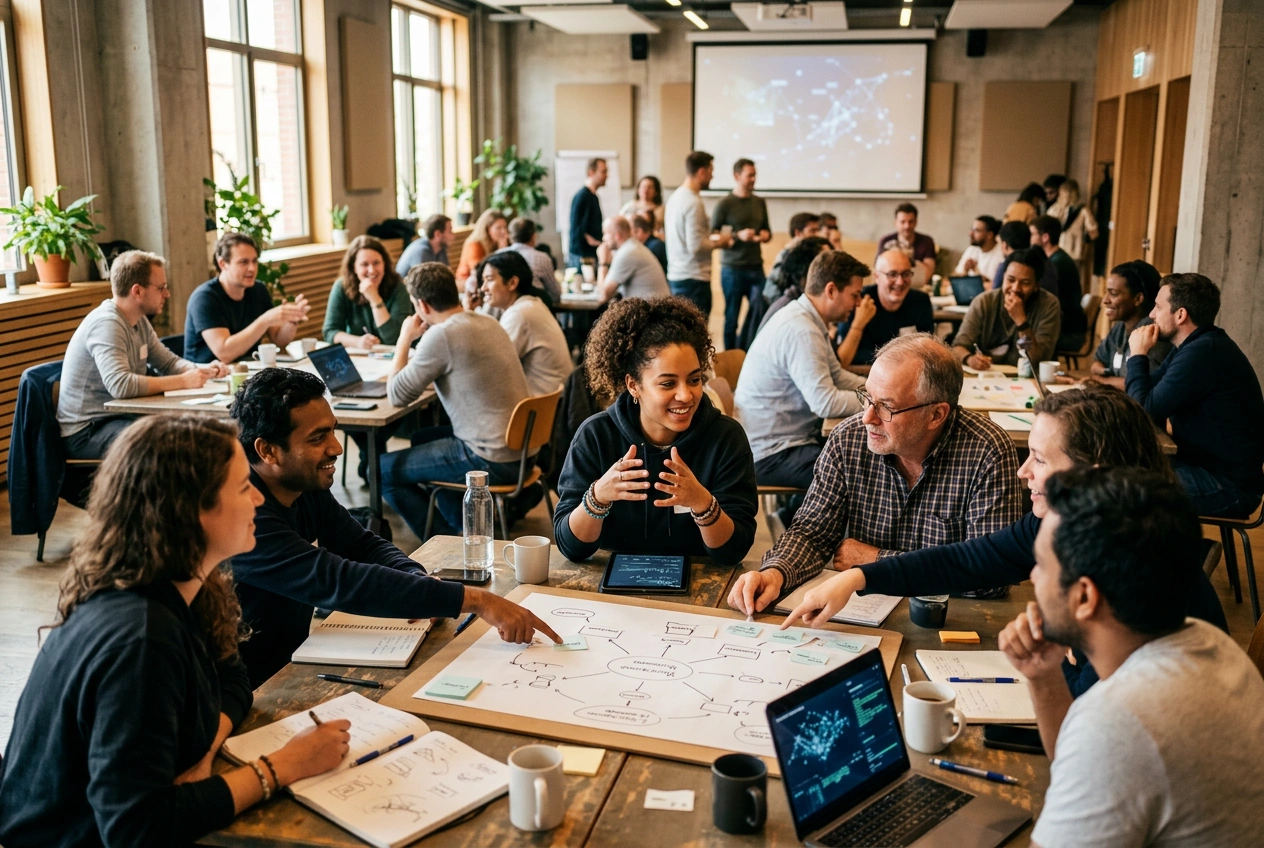
One of the most effective ways to enhance community building in Web3 is through events. Hosting successful events can significantly boost engagement, foster relationships, and provide valuable networking opportunities.
Types of Web3 Events
There are various formats for hosting events that cater to the preferences of the community:
- Virtual Meetups: These can include panel discussions, Q&A sessions, or informal networking events. Virtual meetups allow participants from around the globe to connect without geographical constraints.
- Workshops: Offering educational workshops on topics like blockchain technology or smart contract development helps community members enhance their skills while fostering collaboration.
- Hackathons: Organizing hackathons encourages innovation and creativity. Participants can collaborate to develop new projects, providing hands-on experience and building camaraderie.
Planning Your Event
Successful event planning requires meticulous attention to detail and consideration of the community’s needs. Here are essential steps to ensure your event resonates with your audience:
- Define Your Goals: Clearly outline what you want to achieve with the event, whether it’s increasing awareness, fostering collaboration, or driving project development.
- Identify Your Audience: Understand the demographics and interests of your community. Tailoring your event to their preferences increases the likelihood of participation.
- Choose the Right Platform: Select a platform that aligns with your event format. For virtual events, tools like Zoom, Discord, or specialized platforms like Gather can enhance the experience.
- Promote Effectively: Utilize social media, newsletters, and community channels to promote your event. Consider leveraging influencers within the community to reach a broader audience.
- Engage During the Event: Encourage interaction through live polls, Q&A sessions, and breakout discussions. Engaging participants keeps the energy high and fosters connections.
Post-Event Follow-Up
The engagement doesn’t end once the event concludes. Following up with attendees is vital for maintaining momentum:
- Send out thank-you emails along with a summary of the event highlights.
- Share recorded sessions or resources that participants can refer to later.
- Solicit feedback to improve future events and demonstrate that you value their input.
Common Mistakes in Community Building

While building a community in Web3 can be rewarding, several common pitfalls can hinder progress. Understanding these mistakes can help you avoid them and create a thriving community.
Lack of Clear Objectives
One common mistake is not having clear objectives for community engagement. Without defined goals, it’s challenging to measure success or direct efforts effectively. Establish specific, measurable goals to guide your community-building activities, and learn more about measuring community success.
Neglecting Community Feedback
Ignoring feedback from community members can lead to disengagement. Actively seek input and be responsive to suggestions. This fosters a culture of collaboration and shows that you value the community’s contributions.
Focusing Solely on Growth
While growth is important, focusing solely on numbers can detract from the quality of engagement. Prioritize building meaningful relationships and fostering a supportive environment over simply increasing membership.
The Future of Community Building in Web3
As Web3 continues to evolve, so too will the strategies for community building. Adapting to emerging trends and technologies is essential for sustained engagement.
Embracing New Technologies
The integration of new technologies, such as artificial intelligence and machine learning, can enhance community interactions. These technologies can provide personalized experiences, improving user satisfaction and retention.
- AI-driven analytics can help identify patterns in community behavior, allowing for more targeted engagement strategies.
- Virtual and augmented reality may also play a role in creating immersive community experiences, making events more engaging and interactive.
Sustainability and Inclusivity
Future community-building efforts should prioritize sustainability and inclusivity. Ensuring that all community members feel valued and included will lead to more robust and resilient communities.
- Implementing diversity and inclusion initiatives can foster a sense of belonging among underrepresented groups.
- Sustainable practices, such as environmentally conscious event planning, can attract members who value social responsibility.
The Intersection of Community Building and Edge Of
Community building in Web3 represents a significant shift in how individuals and organizations interact. By fostering meaningful connections and prioritizing engagement, communities can thrive in this new decentralized landscape.
At Edge Of, we understand the challenges and opportunities that come with community building in Web3. Our expertise can help you implement effective strategies that resonate with your audience, ensuring your community remains vibrant and engaged.
Ready to take your community building to the next level? Contact Edge Of today to learn how we can help you foster a thriving Web3 community.
What's next in AI, crypto and emerging tech
The Edge of Show newsletter, in your inbox every other week. Join nearly 24,000 active subscribers.