
In the rapidly evolving landscape of Web3, community building is at the forefront of driving engagement and fostering meaningful interactions. As organizations transition to decentralized models, understanding how to measure community engagement becomes paramount. This article delves deep into effective strategies for assessing community engagement in Web3, with a special focus on hosting successful Web3 events that enhance interaction and connection among participants.
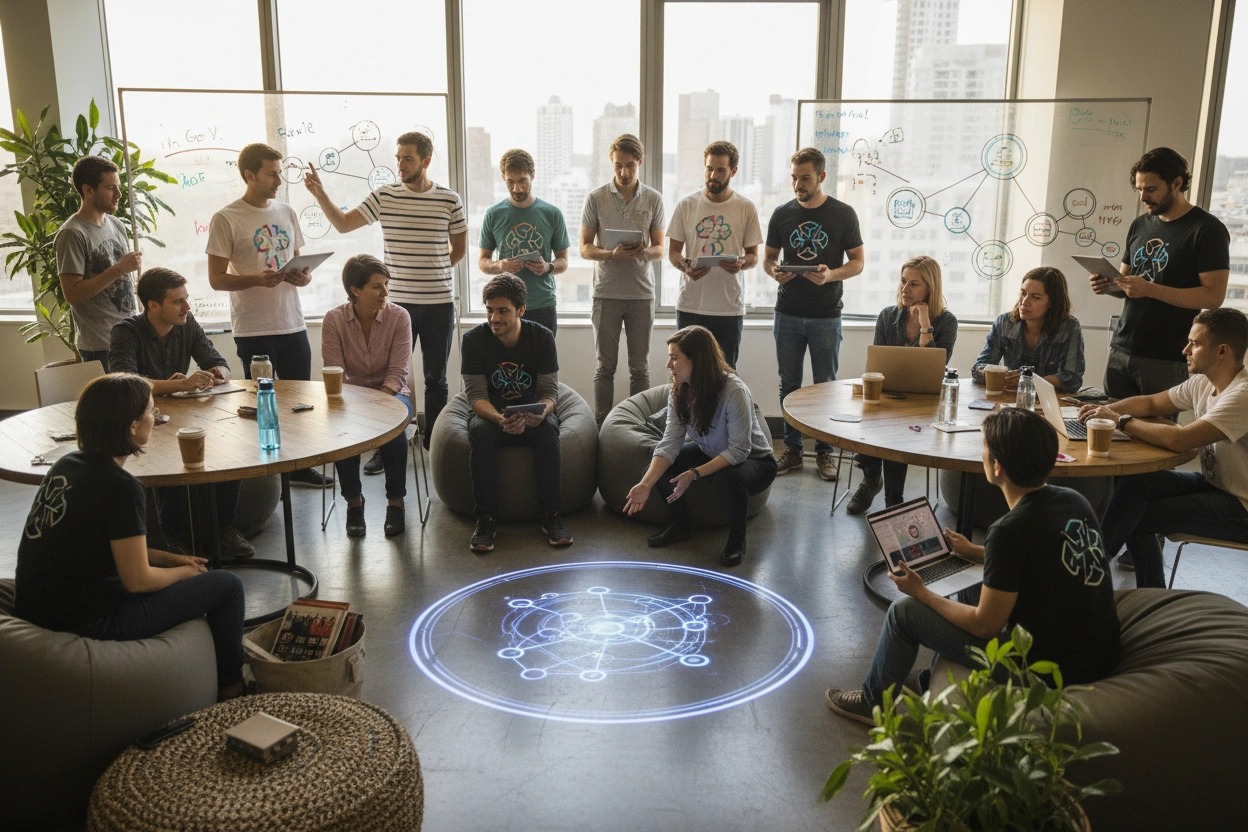
Community engagement in Web3 encompasses the interactions, relationships, and activities that foster a sense of belonging among participants in decentralized networks. Unlike traditional web environments, where engagement metrics often focus on clicks and page views, Web3 emphasizes the quality of interactions and the strength of community ties.
Measuring community engagement is crucial for several reasons:
Many assume that high engagement simply equates to a large number of participants. However, true engagement is characterized by quality interactions, such as discussions, collaborations, and contributions to projects. Metrics should not only capture quantity but also the depth and significance of these interactions.

To effectively measure community engagement in Web3, it is essential to utilize a combination of qualitative and quantitative metrics. Below are some key metrics that can help gauge engagement levels:
Participation rates provide a foundational metric for understanding engagement. This includes:
Analyzing how community members interact with content can yield valuable insights:
Implementing feedback mechanisms is vital for understanding community sentiment:

Events play a critical role in fostering community engagement. A well-organized event can serve as a catalyst for interaction, collaboration, and knowledge sharing. Here are essential strategies for hosting successful Web3 events:
Before planning any event, it is crucial to define clear objectives. Consider the following:
The format of your event can significantly impact engagement. Consider these formats:
Leverage technology to enhance the event experience:
Encourage interaction during events to keep participants engaged:
Post-event follow-up is essential for maintaining engagement:
When measuring community engagement, several common pitfalls can hinder accurate assessment. Avoid the following mistakes to ensure effective measurement:
While it is tempting to measure success by sheer numbers, this approach can be misleading. Quality interactions often have a more significant impact on community health than high participant counts.
Failing to incorporate community feedback can lead to missed opportunities for improvement. Regularly solicit and act upon feedback to demonstrate that community voices matter.
As the Web3 landscape evolves, so too should your engagement metrics. Regularly review and adapt your measurement strategies to align with changing community dynamics and expectations.
As the Web3 ecosystem continues to expand, effective community building will play a pivotal role in its success. Understanding how to measure community engagement is essential for fostering a vibrant and active community. By hosting successful events and utilizing the right metrics, organizations can create environments that not only attract members but also retain them through meaningful interactions.
At Edge Of, we understand the complexities of community building in Web3 and are dedicated to helping organizations navigate this dynamic landscape. If you’re looking to deepen your community engagement strategies, contact Edge Of to explore how we can assist you in fostering a thriving Web3 community.
Get exclusive insights into the ever-evolving worlds of Web3, along with exciting previews of upcoming projects and giveaways. Engage with the future today.
Subscribe Now


.svg)