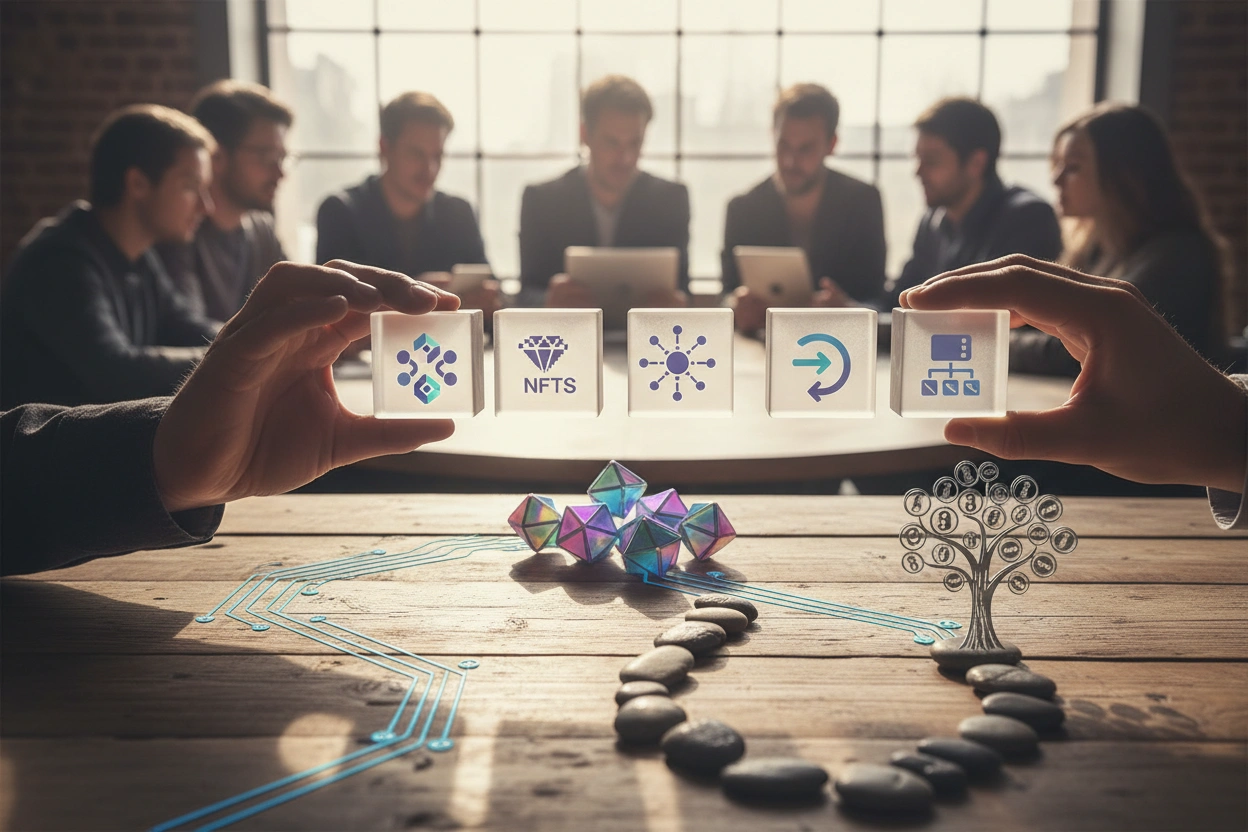
The emergence of blockchain technology has revolutionized various industries, and one of the most notable innovations is the rise of Non-Fungible Tokens (NFTs). These unique digital assets have transformed how we perceive ownership, creativity, and commerce in the digital realm. As businesses explore the potential of NFTs, understanding the right web3 business strategy becomes essential to successfully navigate this complex landscape. This article delves into various NFT business models, providing insights and practical guidance to help you choose the most effective strategy for your venture.

Web3 represents the next evolution of the internet, where decentralization and blockchain technology play a pivotal role in shaping online interactions. Unlike traditional web models, which are predominantly centralized, web3 enables users to have greater control over their digital identities and assets. A robust web3 business strategy should focus on leveraging these decentralization principles to create value, enhance user engagement, and foster community-driven ecosystems.
Decentralization: Understanding how to utilize decentralized networks to enhance transparency and security is crucial. This not only builds trust among users but also aligns with the ethos of blockchain technology.
Community Engagement: Building a community around your NFT project is vital. Engaging with users through social media, forums, and direct interactions helps cultivate loyalty and brand advocacy.
Interoperability: As the NFT ecosystem expands, ensuring that your assets can interact with various platforms and wallets will enhance their utility and value.
Sustainability: Developing a strategy that considers the environmental impact of blockchain technology is increasingly important. Exploring eco-friendly solutions, such as Layer 2 scaling solutions, can bolster your brand reputation.

When considering an NFT business model, it's essential to align your approach with your target audience, the unique value proposition of your NFTs, and the broader market trends. Here are some of the most effective NFT business models to consider:
Digital art marketplaces serve as platforms where artists can sell their work as NFTs, allowing them to reach a global audience while retaining ownership rights. The rise of platforms like OpenSea and Rarible demonstrates the demand for digital art.
Benefits:
Challenges:
The gaming industry is rapidly adopting NFTs, enabling players to own in-game assets, characters, and skins. Games like Axie Infinity and Decentraland exemplify how NFTs can create immersive experiences and new revenue streams.
Benefits:
Challenges:
Musicians and entertainers are leveraging NFTs to distribute their work, create exclusive content, and engage with fans directly. NFTs can provide unique experiences, such as backstage passes or limited-edition releases.
Benefits:
Challenges:
NFTs have opened up new avenues for collectibles, allowing fans to own verified digital memorabilia from sports, movies, and other entertainment sectors. Platforms like NBA Top Shot have successfully tapped into this market.
Benefits:
Challenges:
Tokenizing real estate assets as NFTs allows investors to buy fractional ownership in properties. This model democratizes access to real estate investment, making it more accessible to a broader audience.
Benefits:
Challenges:

When embarking on your NFT journey, consider the following actionable insights to help you implement your chosen business model effectively:
Research Your Market: Understand your target audience and their preferences. Conduct surveys or engage with online communities to gather insights on what potential buyers value in NFTs.
Create Unique Value Propositions: Determine what makes your NFTs stand out. This could be unique artwork, exclusive experiences, or utility within a gaming ecosystem.
Choose the Right Blockchain: Select a blockchain that aligns with your goals. Ethereum is popular for NFTs, but alternatives like Tezos or Flow may offer lower fees and faster transactions.
Engage on Social Media: Use platforms like Twitter, Discord, and Telegram to foster discussions, share updates, and gather feedback from your community.
Host Events and Collaborations: Organize virtual events, such as live Q&A sessions or collaborations with other creators, to engage your audience and build brand loyalty.
Utilize Influencer Marketing: Partner with influencers in the NFT space to reach a broader audience and gain credibility.
Leverage Content Marketing: Create educational content around your NFTs, such as blog posts or videos, to inform potential buyers about their value and utility.
Optimize for SEO: Incorporate relevant keywords into your content and listings to enhance visibility and attract organic traffic. The primary keyword "web3 business strategy" should be woven naturally throughout your marketing materials.
Despite the growing interest in NFTs, several misconceptions can hinder potential adopters. Addressing these misunderstandings is crucial for effective strategy formulation.
NFTs Are Just Digital Art: While digital art is a prominent use case, NFTs can represent various assets, including music, virtual real estate, and even physical collectibles.
NFTs Are a Passing Trend: The underlying blockchain technology ensures that NFTs will have lasting applications across various industries, from gaming to real estate.
NFTs Guarantee Profit: While some NFTs appreciate in value, many factors affect their market price. It's essential to approach NFT investment with a long-term perspective and an understanding of market dynamics.
As we look ahead, the NFT landscape is poised for further innovation. Emerging technologies, such as augmented reality (AR) and virtual reality (VR), will likely create new opportunities for interactive NFT experiences. Additionally, regulatory clarity around NFTs will help foster trust and stability in the market, encouraging more businesses to adopt web3 business strategies.
Stay Informed: Keep abreast of technological advancements and regulatory changes that may impact the NFT space. Subscribe to industry publications and engage with thought leaders.
Adapt to Market Changes: Be prepared to pivot your strategy as new trends emerge. Flexibility will be key to maintaining relevance in a rapidly evolving ecosystem.
Invest in Education: Continuously educate yourself and your team about blockchain technology, NFT standards, and emerging best practices. This knowledge will be instrumental in refining your web3 business strategy.
In navigating the NFT landscape, it is crucial to align your business models with a comprehensive web3 business strategy. The principles of decentralization, community engagement, and sustainability will guide your decisions and ultimately determine your success. By understanding the various NFT business models and their unique advantages and challenges, you can position your venture for growth in this dynamic market.
At Edge Of, we recognize the importance of adopting a well-rounded web3 business strategy that harnesses the potential of NFTs. Our expertise in the field can help you navigate the NFT landscape, ensuring that you leverage the right models for your unique needs.
If you’re ready to explore the world of NFTs and develop a strategy that resonates with your audience, visit Edge Of for more insights and support tailored to your business goals.
Get exclusive insights into the ever-evolving worlds of Web3, along with exciting previews of upcoming projects and giveaways. Engage with the future today.
Subscribe Now


.svg)