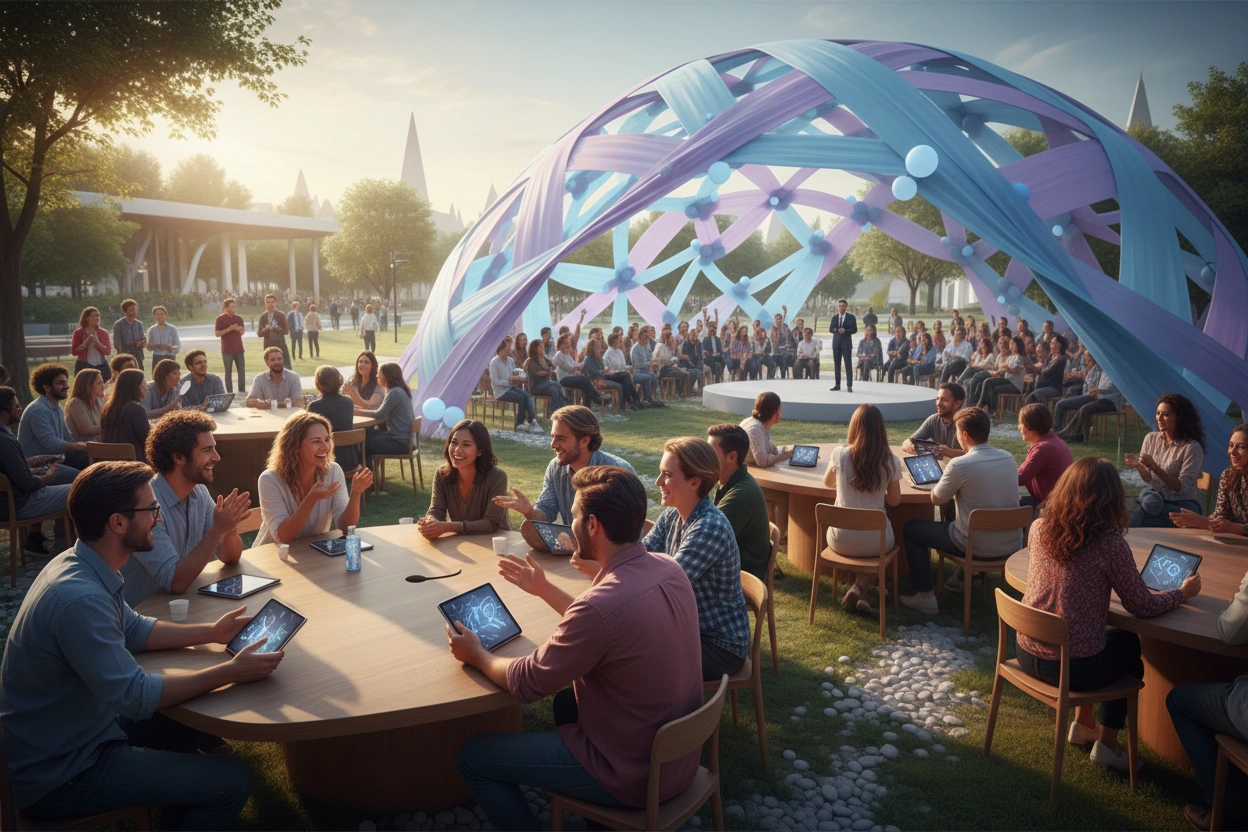
In the rapidly evolving landscape of Web3, community building has emerged as a cornerstone of success for projects and organizations. Engaging with Web3 audiences requires a nuanced approach that combines technology, creativity, and an understanding of human interaction. Events, whether virtual or in-person, serve as powerful platforms for fostering connections, sharing knowledge, and building lasting relationships within the community. This article delves into effective strategies for hosting successful Web3 events that resonate with participants and drive meaningful engagement.

Community building in Web3 is not just about gathering users; it’s about creating an ecosystem where participants feel valued and empowered. Unlike traditional models, where companies often dictate interactions, Web3 promotes a decentralized approach that encourages collaboration and shared ownership. This shift has profound implications for how events are structured and executed.
Successful projects in the Web3 space, such as Ethereum and Binance Smart Chain, have demonstrated that a strong community can lead to increased user loyalty, higher participation rates, and a more vibrant ecosystem. These communities often operate on the principles of transparency, inclusivity, and collective growth, making engagement a vital part of their success.
Many assume that hosting a successful Web3 event is solely about the technology used or the celebrity speakers invited. However, this is a misconception that can lead to poorly attended or ineffective events. The success of an event hinges on understanding the audience’s needs, crafting relevant content, and ensuring that every participant feels like a crucial part of the experience.
Additionally, some may believe that events must be large-scale to be impactful. In reality, smaller, more intimate gatherings can foster deeper connections and facilitate more meaningful conversations. It’s essential to focus on quality rather than quantity when engaging with Web3 audiences.

Effective planning is the foundation of any successful event. Here are some key steps to consider:
Define Clear Objectives: Identify what you want to achieve with the event. Whether it's raising awareness, fostering networking, or educating participants, having clear goals will guide your planning.
Understand Your Audience: Conduct surveys or engage with your community to determine their interests and preferences. This insight will help tailor the event to meet their expectations.
Choose the Right Format: Decide between in-person, virtual, or hybrid events based on your audience's preferences and geographical distribution. Each format has its unique benefits and challenges.
Content is the heart of any event. To engage with Web3 audiences effectively, consider the following strategies:
Host Interactive Panels: Instead of traditional lectures, involve the audience in discussions. Use tools like live polls or Q&A sessions to encourage participation.
Showcase Real Use Cases: Highlight projects that demonstrate practical applications of Web3 technology. This not only educates but also showcases what is possible and inspires attendees by.
Incorporate Networking Opportunities: Designate specific times for networking, allowing participants to connect and share ideas. This fosters community building and encourages collaboration.
In the age of Web3, utilizing technology effectively can significantly enhance event engagement. Here are some practical tips:
Use Blockchain for Ticketing: Implement blockchain technology for ticketing to ensure transparency and security. This can also facilitate secondary markets for ticket resales, adding value for attendees.
Explore Virtual Reality (VR) and Augmented Reality (AR): These technologies can create immersive experiences that captivate audiences. Consider VR meetups or AR-enhanced presentations to stand out.
Integrate Social Media: Encourage attendees to share their experiences on social media platforms. Create specific hashtags for the event to foster online discussions and extend engagement beyond the event itself.

Engagement shouldn’t stop when the event ends. Here are ways to maintain momentum:
Share Event Highlights: Post-event, share recordings, highlights, and key takeaways on your website and social media channels. This keeps the conversation going and provides value to those who couldn’t attend.
Gather Feedback: Collect feedback from participants to understand what worked well and what could be improved. This not only helps refine future events but also shows that you value community input.
Create Ongoing Content: Develop follow-up content such as articles, podcasts, or webinars that dive deeper into topics discussed during the event. This keeps the community engaged and informed. develop follow-up content such as articles.
Creating a dedicated space for community interaction can enhance long-term engagement. Consider the following:
Launch a Discord or Telegram Channel: These platforms are popular in the Web3 community for real-time communication and updates. They can serve as a hub for discussions and announcements.
Develop a Resource Library: Curate resources related to the event topics, including articles, guides, and toolkits. This adds value and positions your organization as a thought leader in the space.
Encourage User-Generated Content: Invite community members to share their experiences, insights, or projects related to the event themes. This fosters a sense of ownership and belonging within the community.
To understand the impact of your event, it's crucial to evaluate its success through various metrics:
Attendance Rates: Compare the number of registered participants to actual attendees. This can provide insight into your marketing effectiveness and the event's appeal.
Engagement Levels: Monitor interactions during the event, such as questions asked, social media shares, and participation in polls or discussions.
Post-Event Feedback: Analyze survey responses to gauge attendee satisfaction and areas for improvement. This qualitative data can be invaluable for future planning.
When hosting Web3 events, be aware of common pitfalls:
Neglecting Audience Engagement: Failing to actively engage participants can lead to a lack of enthusiasm and interaction. Always prioritize creating opportunities for audience involvement.
Overlooking Accessibility: Ensure that your events are accessible to all participants, including those with disabilities. This fosters inclusivity and reflects positively on your organization.
Ignoring the Power of Follow-Up: Many organizers overlook the importance of post-event engagement. A solid follow-up strategy is essential for maintaining community interest and involvement.
As the Web3 landscape continues to evolve, so too will the strategies for community building. Emerging technologies, shifting audience expectations, and the ongoing development of decentralized platforms will influence how events are designed and executed.
In the coming years, we can expect to see:
Increased Integration of AI: Artificial intelligence will play a significant role in personalizing event experiences and enhancing engagement through tailored content and recommendations.
Greater Focus on Sustainability: With growing awareness of environmental issues, future events may prioritize eco-friendly practices, from venue selection to digital ticketing solutions.
Enhanced Global Participation: As Web3 transcends geographical boundaries, the potential for global engagement will increase, leading to more diverse and inclusive events.
The strategies outlined in this article provide a roadmap for effectively engaging with Web3 audiences through events. By prioritizing community building in Web3, organizations can create meaningful experiences that foster connections, drive collaboration, and enhance overall engagement.
At Edge Of, we understand the complexities of navigating the Web3 landscape and the importance of building a thriving community. By leveraging our expertise, you can transform your event strategy and enhance your community-building efforts.
To learn more about how Edge Of can help you successfully engage with your Web3 audience, visit Edge Of today. Together, we can pave the way for innovative and impactful community experiences.
Get exclusive insights into the ever-evolving worlds of Web3, along with exciting previews of upcoming projects and giveaways. Engage with the future today.
Subscribe Now


.svg)