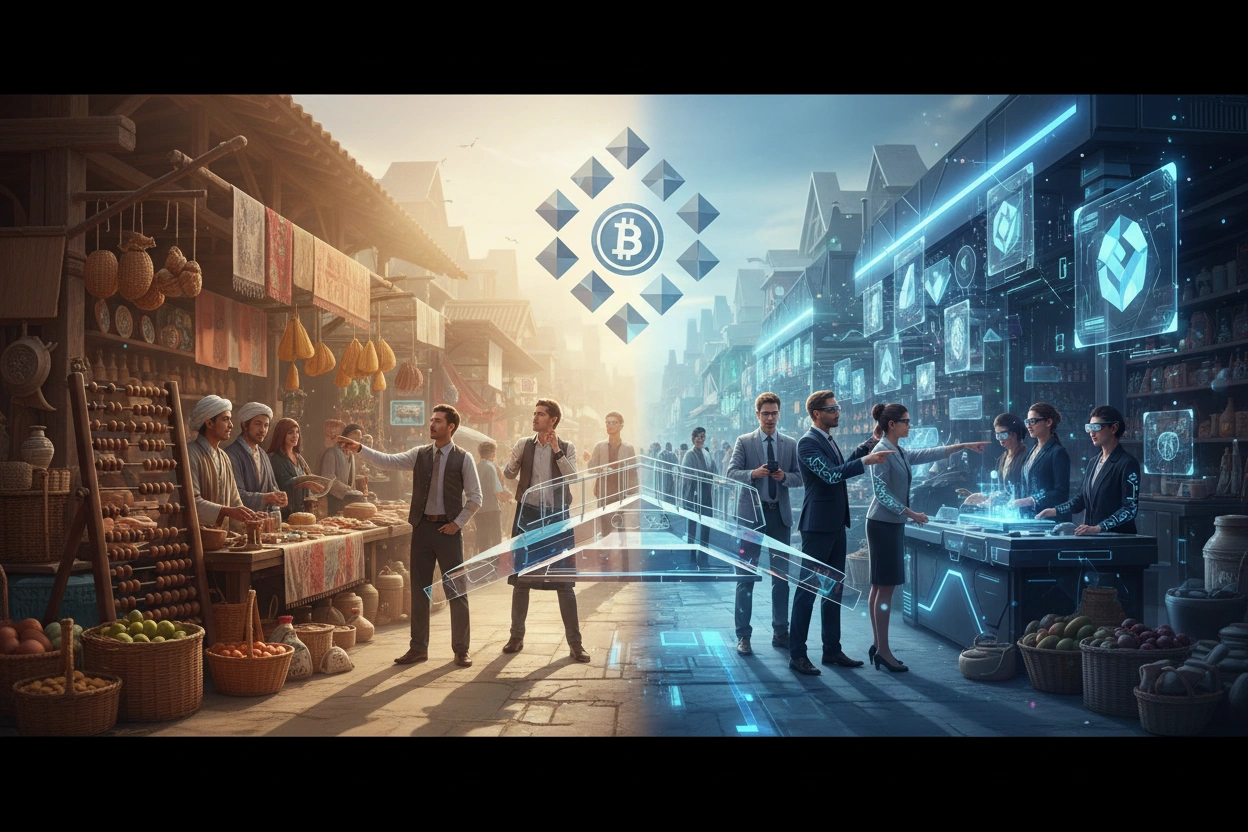
The rise of the digital economy has transformed traditional business models, paving the way for innovative approaches within the Web3 landscape. As of 2026, the emergence of non-fungible tokens (NFTs) has created unique opportunities for businesses to engage customers and monetize digital assets. However, navigating the complexities of NFT business models versus traditional approaches requires a solid understanding of web3 business strategy.

Web3 refers to the next generation of the internet, characterized by decentralization and blockchain technology. Unlike Web2, where centralized platforms dictate user interaction, Web3 empowers users with ownership and control over their digital assets. This shift necessitates a re-evaluation of traditional business strategies, as businesses must adapt to the decentralized nature of Web3.
In a traditional business model, companies rely on established frameworks that emphasize ownership, centralized control, and profit maximization. This often results in limited customer interaction and engagement. In contrast, a web3 business strategy emphasizes community building, transparency, and shared ownership, where users can actively participate in the ecosystem. Understanding these differences is crucial for businesses looking to thrive in the evolving digital landscape.

The NFT market has exploded in recent years, with various business models emerging that leverage the unique characteristics of NFTs. Below are some of the most significant NFT business models that entrepreneurs should consider when developing their web3 business strategy.
NFT marketplaces are platforms where users can buy, sell, and trade NFTs. These marketplaces have become the backbone of the NFT ecosystem, allowing artists, creators, and collectors to connect. Notable examples include OpenSea and Rarible, which have facilitated millions of transactions.
The gaming industry has embraced NFTs as a means to enhance player engagement and monetization. Games like Axie Infinity and Decentraland allow players to own in-game assets as NFTs, creating a play-to-earn model that rewards players for their time and investment.
NFT art has gained immense popularity, enabling artists to tokenize their digital creations and sell them directly to collectors. This model empowers artists by providing them with a platform to showcase their work without the need for intermediaries.
Some NFTs offer additional functionalities beyond ownership, serving as utility tokens within a broader ecosystem. For instance, NFTs might grant holders access to exclusive content, events, or services.
Fractional ownership allows multiple investors to own a portion of a high-value NFT, making it accessible to a broader audience. This model is particularly useful for expensive art pieces or collectibles.

When evaluating NFT business models against traditional business approaches, several key differences become apparent. Understanding these distinctions can help entrepreneurs make informed decisions about which strategies to adopt.
Traditional business models often rely on a linear revenue generation approach, where companies earn profits through direct sales and services. In contrast, NFT business models offer diverse revenue streams, including transaction fees, royalties, and subscriptions. This flexibility allows businesses to adapt to changing market conditions and consumer preferences.
Traditional approaches typically focus on one-way communication, where companies market products to consumers without significant interaction. Web3 business strategies, particularly those involving NFTs, prioritize community engagement and user participation. This shift not only enhances customer loyalty but also fosters a sense of ownership among users.
In traditional business models, companies maintain control over their data and operations, often leading to mistrust among consumers. Web3 business strategies leverage blockchain technology to ensure transparency, allowing users to verify transactions and ownership. This increased trust can lead to stronger customer relationships and brand loyalty. Decentralized finance solutions shape modern business strategies.
Despite the growing popularity of NFTs, several misconceptions persist regarding their viability and potential. Addressing these misunderstandings is crucial for entrepreneurs considering a web3 business strategy.
Many skeptics view NFTs as a passing trend. However, the underlying technology and the shift towards digital ownership suggest that NFTs are here to stay. As more industries adopt blockchain technology, the demand for NFTs will likely continue to grow.
While NFTs have gained traction in the art world, their applications extend far beyond. Industries such as gaming, music, and real estate are also exploring NFT integration, showcasing the versatility of this technology.
While there are costs associated with minting NFTs, various platforms offer affordable options for creators. Additionally, the potential revenue generated from NFT sales often outweighs the initial investment.
For businesses looking to incorporate NFT business models into their web3 strategy, several actionable steps can be taken:
As we move deeper into the digital age, the intersection of NFTs and traditional business models presents both challenges and opportunities. Businesses that adapt their strategies to embrace the principles of web3—decentralization, user ownership, and community engagement—will be better positioned for success.
In exploring NFT business models versus traditional approaches, it's clear that the future of business lies in embracing innovative strategies that leverage the unique capabilities of Web3. By understanding the nuances of these models, entrepreneurs can position themselves at the forefront of this digital revolution.
At Edge Of, we recognize the importance of adapting to the rapidly changing landscape of web3 business strategy. Our expertise can help you navigate the complexities of NFT integration, ensuring that your business remains competitive and forward-thinking.
Visit Edge Of to learn how we can assist you in implementing a successful web3 strategy that harnesses the potential of NFTs and engages your audience effectively.
Get exclusive insights into the ever-evolving worlds of Web3, along with exciting previews of upcoming projects and giveaways. Engage with the future today.
Subscribe Now


.svg)