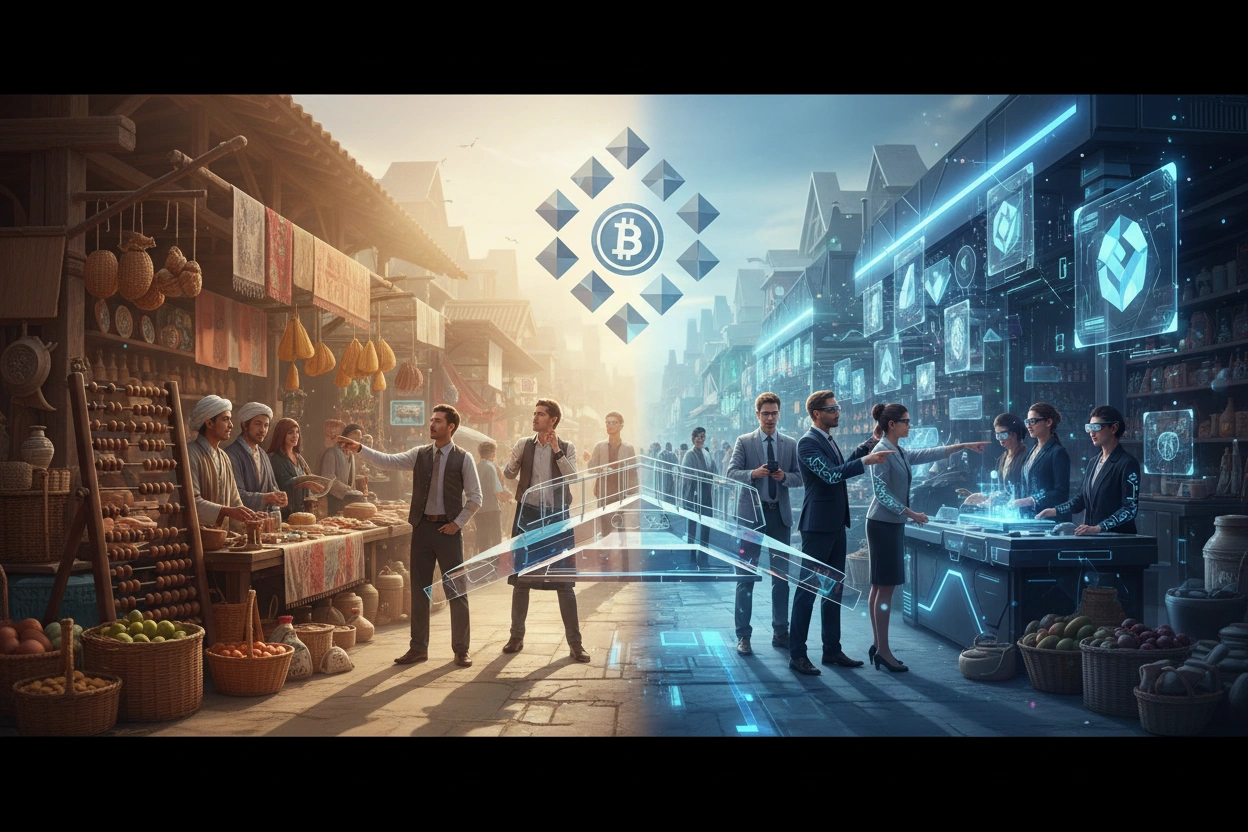
In the rapidly evolving landscape of digital technology, the emergence of Web3 signifies a paradigm shift in how businesses operate and engage with customers. Central to this transformation is the integration of nft business models and decentralized systems, giving rise to innovative business models, particularly in the realm of non-fungible tokens (NFTs). As of 2026, understanding the intricacies of web3 business strategy is crucial for organizations looking to leverage NFTs for growth, engagement, and revenue generation. This article delves into the top NFT business models you should know and provides actionable insights to enhance your web3 business strategy.

Web3 refers to the next generation of the internet, characterized by decentralization, user ownership, and enhanced privacy. Unlike its predecessor, Web2, which relies heavily on centralized platforms, Web3 allows users to own their data and assets directly. This shift opens up new avenues for businesses to create value, particularly through blockchain technology like NFTs.
These principles not only reshape how businesses interact with consumers but also redefine traditional business models, paving the way for innovative approaches to revenue generation.
NFTs are unique digital assets verified using blockchain technology, allowing for ownership and provenance tracking. They have gained popularity across various sectors, including art, gaming, and real estate, serving as a catalyst for innovative web3 business strategies. By adopting NFT business models, companies can foster community engagement, create new revenue streams, and enhance customer loyalty.

As businesses explore the potential of NFTs, several key models have emerged, each offering unique opportunities and challenges. Below are some of the most impactful NFT business models that can be integrated into a comprehensive web3 business strategy.
NFT marketplaces serve as platforms for buying, selling, and trading NFTs. These platforms facilitate transactions and provide a space for creators and collectors to interact.
Key Features:
Examples: Popular NFT marketplaces like OpenSea and Rarible allow users to mint, buy, and sell a wide range of NFTs, from art to virtual real estate. Building a marketplace can provide businesses with transaction fees, subscription models, or NFT marketplace development as revenue sources.
Incorporating NFTs into membership programs can enhance customer loyalty and provide exclusive benefits.
Benefits:
Implementation: Brands can issue NFTs as membership tokens, allowing holders to access special privileges. For instance, musicians can offer exclusive content to NFT holders, creating a direct revenue stream while fostering fan engagement.
NFTs can also be utilized as a means of crowdfunding, allowing creators and entrepreneurs to raise capital by selling unique digital assets.
Advantages:
Case Study: A gaming company could issue NFTs representing in-game assets, allowing players to invest early in the game's development. This model not only raises funds but also engages the community in the game's creation process.
One of the most innovative aspects of NFTs is the ability to embed royalty structures directly into the smart contract.
Royalty Features:
Application: Artists can earn ongoing revenue from their work every time their NFT is sold. This model enhances the long-term relationship between creators and collectors, ensuring that artists benefit from the appreciation of their art.
NFTs can represent virtual goods or experiences, creating new revenue streams in the digital economy.
Opportunities:
Example: Fashion brands can create virtual clothing lines as NFTs, allowing users to dress their avatars in unique styles. This not only promotes brand visibility but also taps into the growing virtual economy.

As the NFT space evolves, several misconceptions can hinder businesses from fully embracing these innovative models. Addressing these misconceptions is crucial for developing a robust web3 business strategy.
Many view NFTs as a passing trend. However, the underlying technology and community engagement potential indicate otherwise. NFTs have the capacity to redefine ownership and value in the digital space, making them a cornerstone of the web3 ecosystem.
While artists have been at the forefront of the NFT movement, the applications extend far beyond art. Industries such as gaming, real estate, and music are increasingly adopting NFTs as part of their business strategies.
The perception that NFTs are only for tech-savvy individuals can deter businesses from exploring this avenue. However, numerous platforms and tools simplify the process of creating and managing NFTs, making them accessible to a broader audience.
To effectively integrate NFT business models into your operations, a well-defined web3 business strategy is essential. Here are key steps to consider:
As we move deeper into the era of Web3, the potential for NFTs to reshape business strategies is immense. Companies that embrace innovative NFT business models will not only differentiate themselves from competitors but also build stronger connections with their audiences.
As businesses venture into the realm of web3, mastering innovative NFT business models is not just an opportunity; it's a necessity. Understanding how to leverage these digital assets can lead to significant growth and engagement. Edge Of is committed to helping organizations navigate this complex landscape, providing insights and strategies that align with their unique goals.
By integrating NFTs into your web3 business strategy, you can unlock new possibilities for customer interaction and revenue generation. As the digital landscape continues to evolve, staying ahead of the curve is essential for success.
For more insights on how to implement effective web3 business strategies, reach out to Edge Of. Our team is here to guide you through the intricacies of NFT business models and help you capitalize on the opportunities that lie ahead.
Contact Edge Of for tailored strategies that can elevate your business in the digital age.
Get exclusive insights into the ever-evolving worlds of Web3, along with exciting previews of upcoming projects and giveaways. Engage with the future today.
Subscribe Now


.svg)